
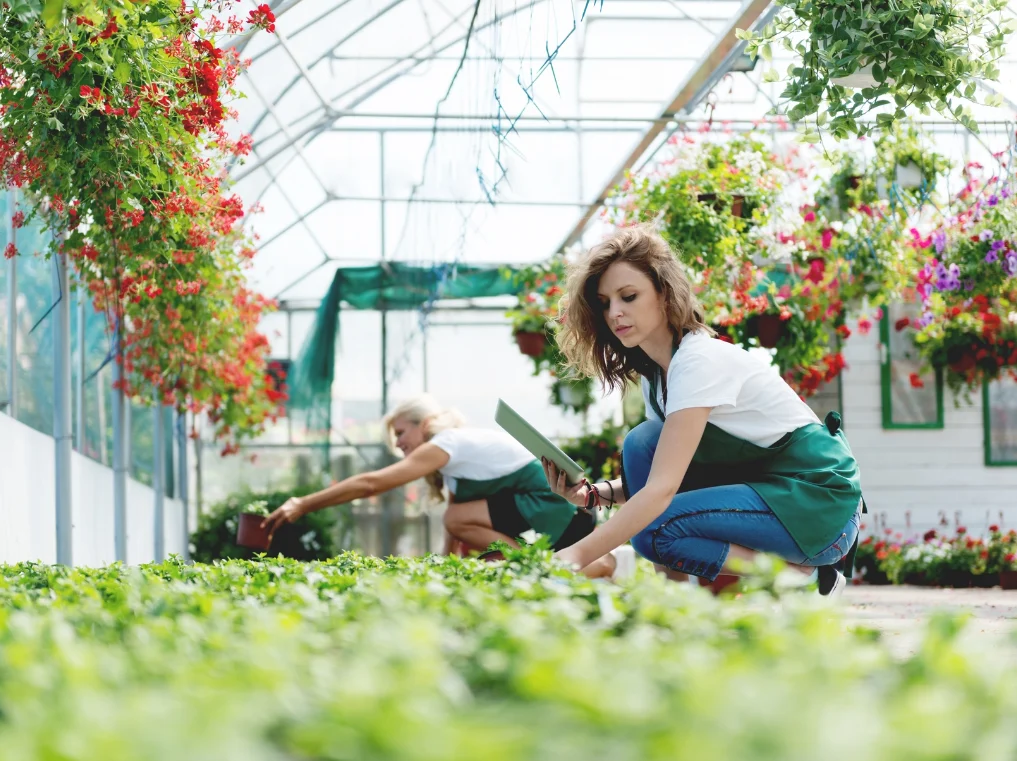
Horticulture is essential for food production. However, like any other agricultural practice, it generates a significant amount of waste. If not managed properly, horticultural waste can lead to various problems like soil degradation, water pollution and increased carbon emissions. Proper waste management practices help reduce environmental impact while promoting resource efficiency.
Types of Horticultural Waste
Horticultural waste consists of both organic and inorganic materials. Organic waste includes plant debris such as leaves, stems, flowers, weeds and branches. Spoiled or excess produce from fruits and vegetables also contributes to organic waste. In contrast, inorganic waste includes plastic plant pots, seed trays, irrigation pipes and packaging materials. Chemical residues from pesticides, fertilizers and soil amendments also fall under horticultural waste. Managing all these waste types effectively is essential for maintaining a sustainable farming system.
Composting
Composting is one of the most effective ways to manage organic horticultural waste. It involves the biological decomposition of plant materials into nutrient-rich compost that can be added back to the soil. Composting not only reduces waste but also improves soil structure and reduces the need for synthetic fertilizers. To compost effectively, a proper balance of green (nitrogen-rich) and brown (carbon-rich) materials must be maintained. Green materials include grass clippings, fruit peels and vegetable scraps, while brown materials include dried leaves, straws and wood chips. Turning the compost pile regularly ensures proper aeration which speeds up decomposition. However, diseased plants and chemically treated materials should not be composted as they can introduce harmful pathogens or toxins into the soil.
Vermicomposting
Vermicomposting is an advanced form of composting that involves using earthworms to break down organic matter. The worms consume plant waste and produce nutrient-rich worm castings also known as vermicast. This natural fertilizer enhances soil fertility and improves water retention. Compared to traditional composting, vermicomposting is faster and produces a finer, more nutrient-dense product. It is especially useful for small-scale horticulture. However, maintaining proper moisture and temperature levels is crucial to keeping the worms active and ensuring efficient decomposition.
Mulching
Mulching is another sustainable practice that helps manage horticultural waste while benefiting plant growth. It involves covering the soil surface with organic materials such as leaves, bark, straw and wood chips. These materials decompose over time and enrich the soil with nutrients. Mulching offers multiple benefits like moisture retention, weed suppression and soil temperature regulation. It also prevents soil erosion and reduces the need for frequent watering. By utilizing plant residues as mulch, farmers can reduce waste while enhancing the health of their crops.
Recycling and Reusing Materials
Inorganic waste such as plastic pots, trays and irrigation pipes are a significant environmental challenge. Instead of discarding these materials, they can be sterilized and reused for multiple growing cycles. Many garden centers and nurseries offer pot return programs where used containers are cleaned and repurposed. Additionally, biodegradable alternatives such as compostable pots made from coconut coir or recycled paper are gaining popularity. For larger scale horticulture, adopting a closed loop system where materials are continuously recycled can significantly reduce waste generation and lower costs.
Managing Chemical Waste Responsibly
Chemical waste from pesticides, herbicides and synthetic fertilizers must be handled with caution. Improper disposal of these substances can lead to soil and water contamination which can harm beneficial microorganisms and wildlife. Integrated Pest Management (IPM) is a sustainable approach that combines biological controls, crop rotation and organic treatments to manage pests with minimal chemical intervention. Using compost and biofertilizers instead of synthetic fertilizers can improve soil health. Proper storage and disposal of chemical products like returning empty pesticide containers to designated collection centres also help minimize environmental impact.
Conclusion
Effective waste management in horticulture is key to reducing environmental impact. By adopting the above mentioned strategies, horticulturists can turn waste into valuable resources. Larger operations can explore bioenergy solutions to minimize waste while generating renewable energy. By implementing these strategies, we can create a greener and more resource-efficient future for horticulture ensuring that both small-scale gardeners and commercial growers contribute to environmental conservation and sustainability.

Leave A Comment