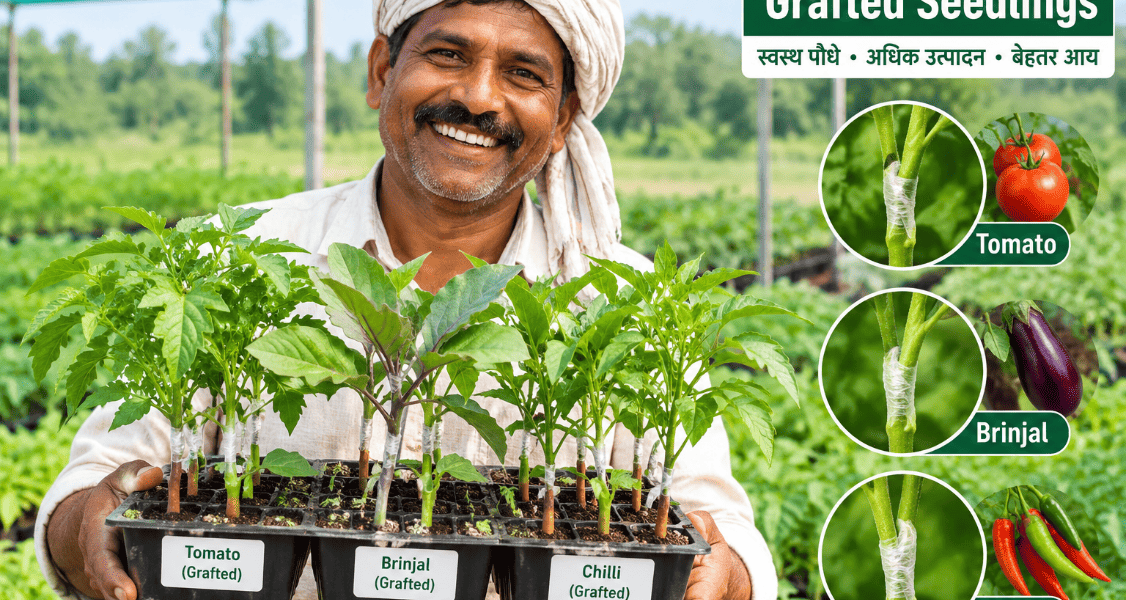
Wilt disease in tomato, brinjal, and chilli is no longer just a Fusarium problem—a complex of soil-borne pathogens is at play. While Ralstonia solanacearum remains the most destructive bacterial wilt agent, causing yield losses ranging from 2–100% depending on the crop and strain, recent surveys in India have also flagged Enterobacter species as emerging vascular wilt pathogens in tomato and
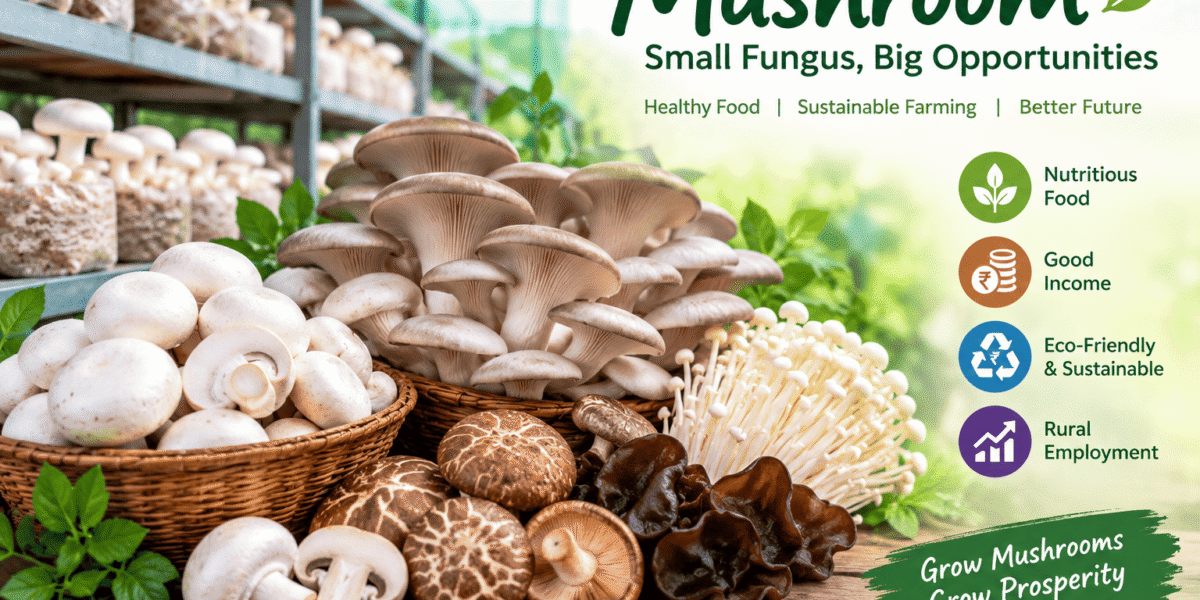
Mushrooms have moved from the margins of the Indian plate to the centre of a booming business opportunity. Once a garnish in regional dishes, they’re now hailed as a “superfood” — a protein alternative, wellness ingredient, and one of India’s most promising small-business ventures. Why Mushrooms Matter Nutritionally, they’re a powerhouse: low in calories and fat, yet rich in
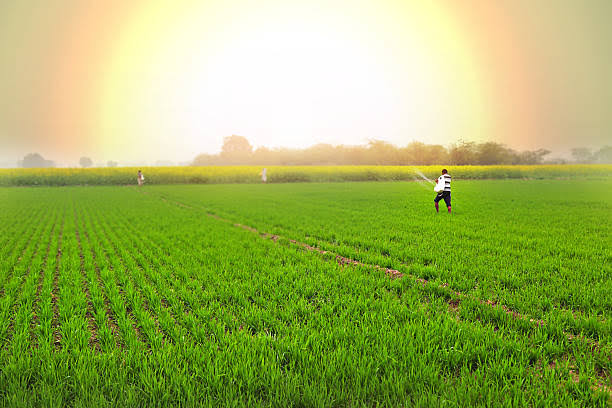
Kisan Kavach- Complete Protection, Reusable, long lasting – 150 washes At the Institute of Horticulture Technology (IHT), Greater Noida, we are committed to advancing the science of cultivation while ensuring the well-being of those who feed the nation. As we interact with farmers across the region, one issue consistently arises as a major concern: the safety of those applying pesticides.
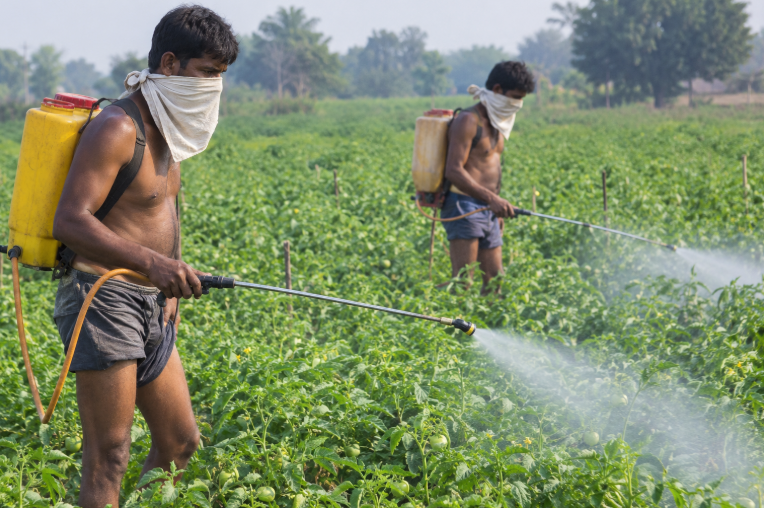
Practical protection measures every farmer can afford. The Deadly Action of “Toughness” We’ve all seen it. And the people call it “being tough.” Here’s the truth: It’s not toughness. It’s suicide in slow motion. Some farmers actually boast about spraying without protection. They wear it like a badge of honour. But this foolish pride has deadly consequences. The poison doesn’t
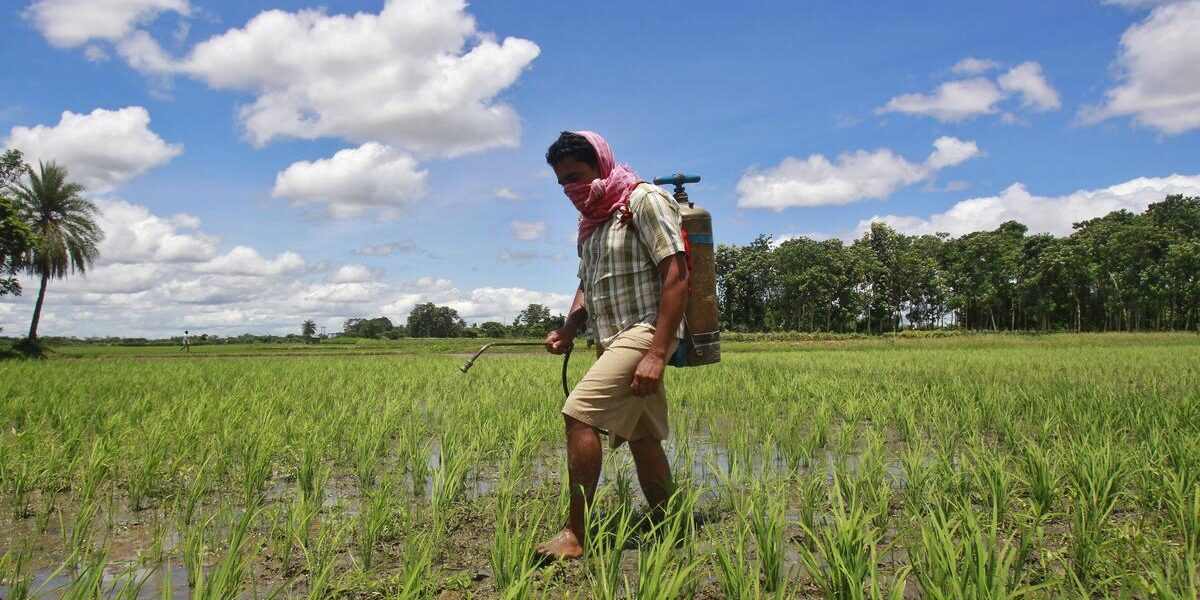
We all are concerned over pesticide residues on our food. But we rarely think about the person spraying those chemicals. As India fights to double food production by 2050, pesticides are a necessary evil. Yet a silent crisis is unfolding in our farmlands—farmers slowly poisoning themselves because either they lack knowledge or take it casually as how to stay safe