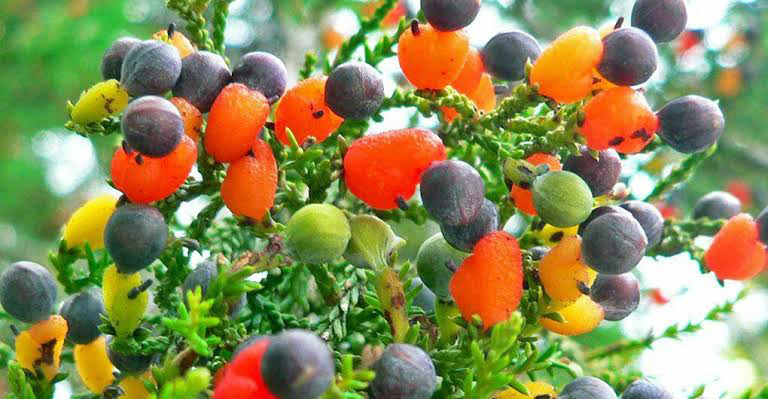
The Beauty of Fruit Salad Trees Imagine picking an apple, a peach, and a plum—all from the same tree. This isn’t a science fiction concept, but a reality made possible by plant grafting. “Fruit salad trees,” also known as multi-grafted trees, can bear several types of fruit, creating a beautiful and productive addition to any garden. Not only do these

Addressing Nutritional Gaps with Biofortification In a world where we produce more food than ever before, why are millions still suffering from nutrient deficiencies? The answer lies not just in the quantity of food, but in its nutritional quality. For many populations, staple crops—like rice, wheat, and maize—provide the bulk of daily calories but lack essential nutrients like iron, zinc
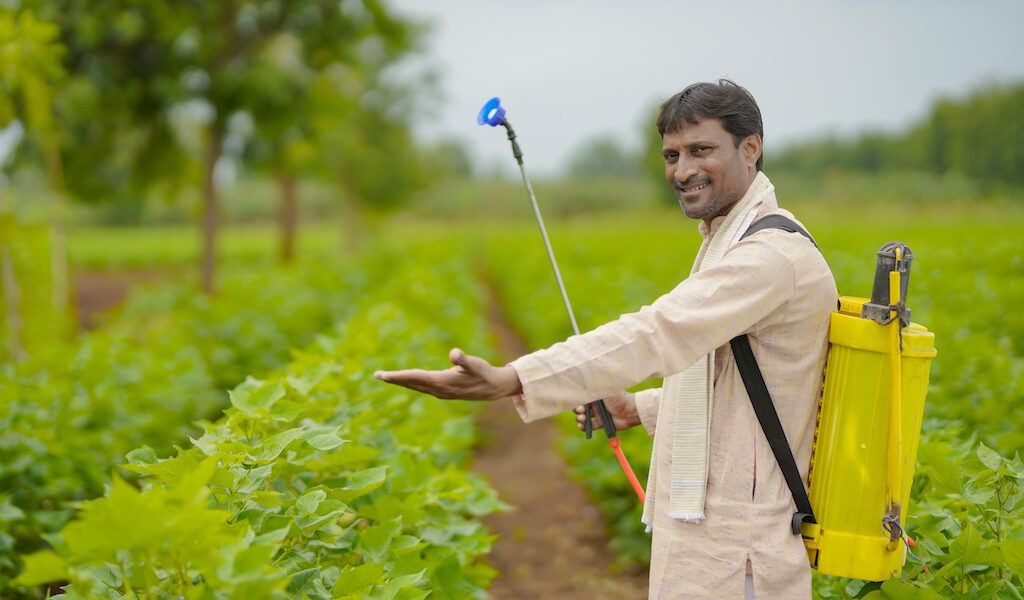
Horticulture in India India, with its diverse climates and rich agricultural history is perfectly poised to lead in horticulture—the science and art of cultivating fruits, vegetables, flowers and other plants. Yet, despite its potential, India’s horticulture sector remains underdeveloped compared to traditional agriculture. With growing concerns around food security, investing in horticulture could hold the key to sustainable growth, improving

Nature’s Green Solution to Pollution As our world grows increasingly industrialized, pollution from heavy metals and chemicals has become a significant concern. Contaminated soil and water can have devastating impacts on ecosystems and human health. However, nature offers a remarkable and eco-friendly solution: phytoremediation. By using plants to clean up contaminated environments, phytoremediation has emerged as a promising, sustainable way
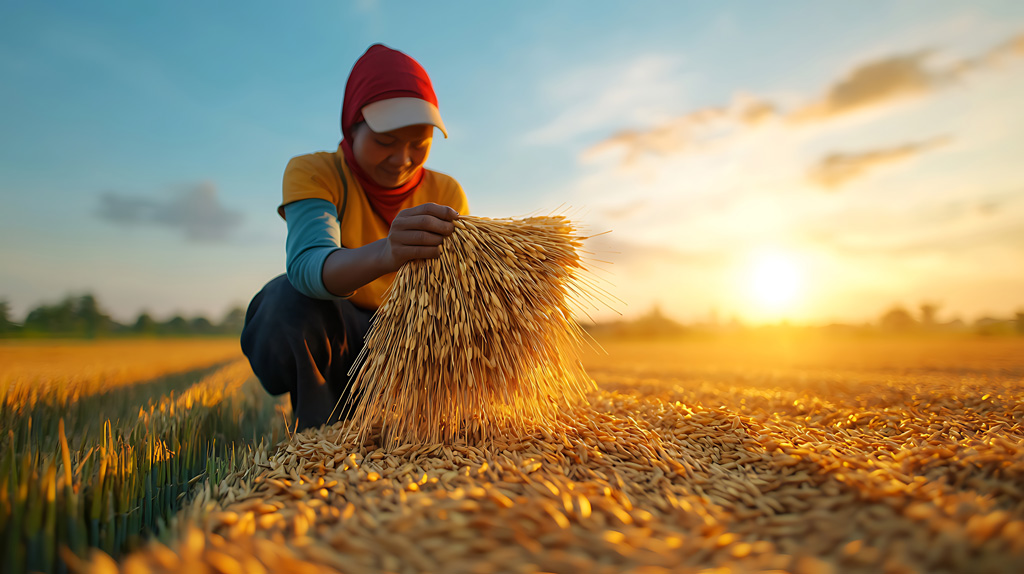
Post Harvest Technology Post Harvest technology refers to the scientific methods and processes used to handle, store and process crops after they are harvested. These practices are important for maintaining the nutritional value and shelf life of produce, ultimately reducing food waste of the food supply chain. One-third of the food produced globally is lost or wasted with much of